As the global push toward climate action accelerates, carbon credit markets are offering new financial incentives for businesses, including farmers, to reduce greenhouse gas emissions. Agriculture is both a source of emissions and a powerful tool for carbon sequestration. With the help of Internet of Things (IoT) technology, farmers can now reliably measure, verify, and monetize their sustainability efforts. Global AgriTech Solutions is leading the way by integrating IoT systems that help agricultural producers claim carbon credits and boost revenue while improving environmental outcomes.
Carbon credits represent a tradable certificate that corresponds to the removal or avoidance of one metric ton of carbon dioxide (CO2) or equivalent greenhouse gases (CO2e). Farmers can generate carbon credits by adopting climate-smart practices such as reduced tillage, cover cropping, agroforestry, biochar application, and renewable energy adoption (like solar irrigation).
These credits can be sold in voluntary or compliance markets, creating a new income stream for environmentally responsible practices. However, to qualify, farmers must demonstrate quantifiable emissions reductions or carbon sequestration — and this is where IoT plays a pivotal role.
Why Verification Matters
Verification is essential to ensure the credibility and integrity of carbon credits. Carbon markets require accurate, transparent, and continuous data to confirm that emissions reductions are real, additional (i.e., they wouldn’t have occurred otherwise), and permanent. IoT systems provide automated, high-resolution data that is far superior to manual reporting. These devices track carbon-related metrics in real time, reducing the need for expensive third-party field audits and minimizing human error.
Key IoT Tools for Carbon Monitoring
- Soil Carbon Sensors: These measure changes in soil organic carbon (SOC), a key indicator of carbon sequestration. Long-term no-till and cover cropping practices can increase SOC levels, making them valuable for carbon markets.
- Weather Stations: Monitor rainfall, temperature, and solar radiation, which influence crop growth and soil activity. This data is useful in modeling greenhouse gas emissions and sequestration potential.
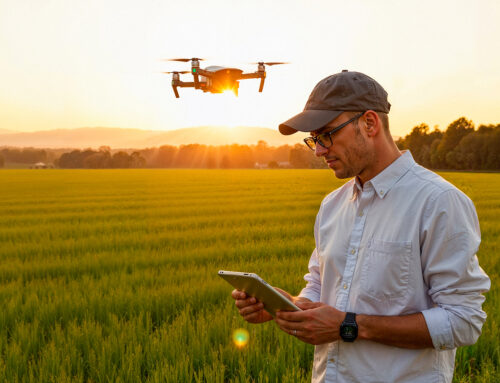
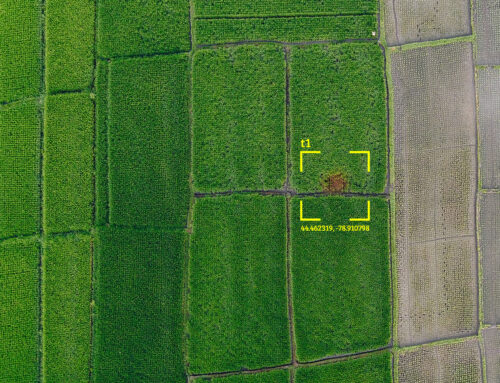
- Remote Sensing Drones: Equipped with NDVI and thermal cameras, drones collect data on crop biomass and soil coverage, helping estimate photosynthetic activity and carbon capture rates.
- Fertilizer Use Monitors: These track application rates and timing. Excess nitrogen leads to nitrous oxide emissions so optimized fertilizer use contributes to emission reductions.
- Fuel Usage Trackers: Monitoring farm machinery fuel consumption helps quantify CO2 savings from switching to electric or solar-powered equipment.
Carbon credits vary in price depending on market type and certification body. As of 2025, prices in the voluntary market typically range from $5 to $50 per credit. High-quality credits, such as those with co-benefits like biodiversity or water conservation, can fetch even more.
For example, a 500-acre farm adopting regenerative practices could potentially sequester 1 to 3 metric tons of CO2e per acre annually. At an average price of $20 per credit, that’s $10,000 to $30,000 in annual income.
Carbon credit markets are growing rapidly, and agriculture has a major role to play. By leveraging IoT technologies, farmers can produce verifiable environmental data that unlocks financial rewards for sustainable practices. From monitoring to marketplace access, Global AgriTech Solutions provides a seamless platform to help farmers transform climate responsibility into real economic opportunity.
If you’re a farmer ready to take climate-smart agriculture to the next level, Global AgriTech can help you develop a tailored carbon credit strategy, implement the right technologies, and connect with buyers worldwide.