Solar-powered farming is not a science fiction concept—it’s a present-day reality for farmers big and small. As energy demands grow and environmental concerns escalate, solar technology offers pathways to more efficient, sustainable, and profitable farming. From irrigation to automation and cold storage, solar innovations are equipping farmers with the tools to thrive in a changing climate.
Global AgriTech Solutions is at the forefront of this transition, helping farmers harness solar technology for a greener tomorrow through cutting-edge products, technical support, and sustainability consulting.
The fusion of solar technology and agriculture is transforming farming practices in a big way. Solar-powered systems not only reduce energy costs and dependency on fossil fuels, but also offer innovative solutions for water management, machinery automation, and crop preservation. As climate change and energy security issues intensify, farmers are benefitting more and more from investing in sustainably powered technology.
These are the top five trends in solar-powered farming that are setting the stage for resilient and sustainable business growth in agriculture:
- Solar-Powered Irrigation Systems
One of the most impactful innovations in solar-powered farming is solar-driven irrigation. Traditional irrigation methods are energy-intensive and often inefficient. Solar irrigation systems use photovoltaic (PV) panels to power water pumps, providing a clean and cost-effective solution to water crops. Global AgriTech Solutions helps farmers install systems that operate in off-grid areas, ensuring consistent water supply in regions prone to drought. Farmers benefit from lower utility costs and enhanced crop yields due to timely watering.
Our technology is scalable—from smallholder farms to large agricultural operations—and can integrate with moisture sensors and automated controllers to further refine irrigation timing. By reducing reliance on diesel or electric pumps, farmers significantly lower greenhouse gas emissions and save on operational costs.
- Off-Grid Cold Storage
Post-harvest losses are a major issue for farmers in rural Canada. Solar-powered cold storage units are emerging as game-changers, enabling farmers to store produce longer without relying on unreliable grid electricity. These systems maintain optimal temperatures using solar energy, extending shelf life and reducing food waste.
They also help farmers time their entry into the market, selling when prices are higher rather than immediately post-harvest when supply is at its peak. Solar refrigeration units can store vegetables, fruits, dairy, and fish, contributing to food security and increased farmer income.
- Solar Drones and Robotics
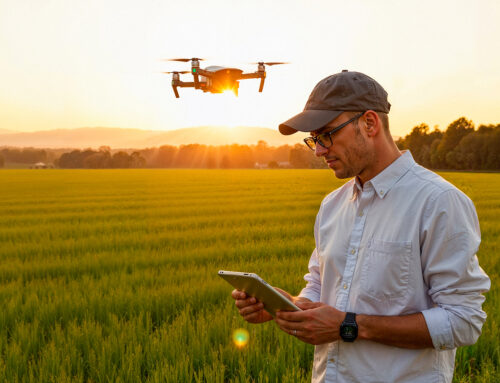
Automation in agriculture is advancing at a rapid pace, and solar energy is powering new and innovative technologies. Drones used for crop monitoring, spraying, and seeding are now being equipped with solar panels, allowing longer flight times and reduced charging downtime. Similarly, solar-powered robotic weeders and harvesters can work continuously in fields, reducing labor costs and increasing on-farm efficiency.
Solar-powered systems reduce dependency on fossil fuels and minimize downtime in remote areas where recharging infrastructure is limited. Furthermore, the integration of AI with solar-powered drones enables real-time crop health assessments and targeted interventions, improving overall farm productivity and crop yields.
- Hybrid Solar-Wind Energy Systems
To ensure consistent energy supply, especially in varying weather conditions, hybrid solar-wind systems are gaining traction among Canadian farmers. These systems combine solar PV with wind turbines to power farms throughout the year. This dual-source approach provides energy stability for irrigation, lighting, and machinery, even when solar irradiance is low.
Hybrid systems are particularly useful in areas with high wind speeds during nights or cloudy seasons. With integrated battery storage, farmers can achieve uninterrupted power supply for cold storage, irrigation, and processing units, supporting 24/7 farm operations.
- Policy Incentives and Carbon Offsets
Canadian governments are increasingly promoting solar adoption amongst farming businesses with subsidies, tax benefits, and carbon credit programs. Solar-powered farms can claim carbon offsets by reducing their reliance on fossil fuels. With accurate monitoring systems in place, farmers can quantify their emissions savings and participate in carbon trading markets.
This offers an additional income stream, enhancing the economic viability of solar investments. Carbon credit validation often requires third-party verification, which can be facilitated through digital monitoring platforms. As sustainability reporting becomes more critical, Global Agritech Solutions is here to help farmers with proper carbon credit documentation.
Looking to maximize solar energy usage on your farm?